
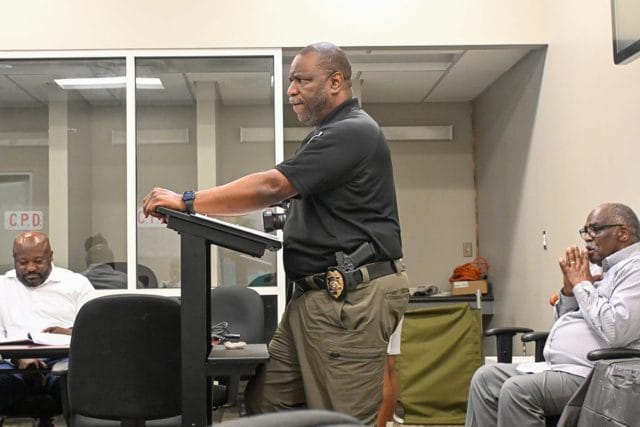
Law enforcement, school officials and other community members spent the first meeting of the new countywide Crime Prevention Task Force zeroing in on who exactly is committing crimes in the community and how to intervene sooner rather than later.
Lowndes County Sheriff Eddie Hawkins set the tone early, telling the group of nearly 20 that only a small slice of the population – about 10% – commits the majority of the crimes his office handles. Addressing that 10% could have a major impact on fixing 90% of the community’s crime-related problems, he said.
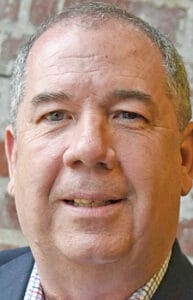
“That’s what we’re trying to accomplish here. We’re trying to help educate kids, help mentor kids, help lead them down the right path, make better choices and stop the violence,” Hawkins said during the meeting at Lowndes County Emergency Management Service office. “We’ve got to do something. What we’ve been doing is not working.”
The new task force, convened by District 5 Supervisor Leroy Brooks, is a revival of a similar initiative that met for the first time in 2021 and eventually compiled a report of crime prevention suggestions that were never broadly implemented. This effort, Brooks said, aims to be an exercise in implementing public policy rather than an exercise in politics.
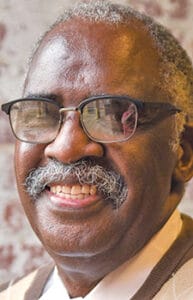
“That’s the reason we’re calling this a community crime prevention task force, so we can take politics out,” he said. “It’s not the county. It’s not the city. It’s going to be about the community.”
Columbus Police Chief Garland Ward said he expects partnerships formed through the task force to ensure agencies and organizations are working to reduce crime in isolation.
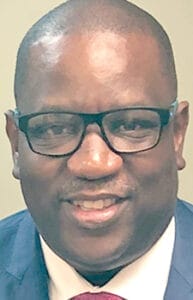
“Because people that commit crimes in the city of Columbus also commit crimes in Lowndes County, Caledonia, Artesia, and then they’re having to come back here,” he said.
Brooks said the task force will need to compile data to determine who exactly is most at-risk when it comes to committing crimes and where interventions should be targeted.
“That will come from law enforcement agencies, to the extent that they can tell us,” he said. “What type of crimes are being committed? Who’s committing the crimes in the schools? What kids are dropping out? What direction are they (headed) in?”
Hawkins pointed out the absence of father figures in the lives of many offenders housed at Lowndes County Adult Detention Center. Many of them also don’t have a high school diploma, he said.
But a lot of those offenders, Hawkins said, are good people who made bad decisions.
“We are trying to facilitate getting people out of jail as quickly as possible,” he said. “Some people just insist on coming and staying a long time because they keep committing crimes. We want to take an opportunity to take that person and help mold them, and educate them and get them a GED – help get them qualified to where they can go out here and get employment.”
Columbus Municipal School District Superintendent Craig Chapman said patterns behind that outcome tend to show up even before students drop out of high school.
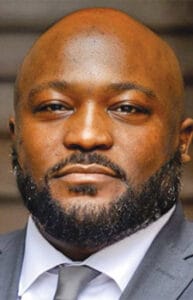
“Typically, when you get to the high school level, (that’s) where you start seeing students drop out,” he said. “Historically most students drop out in 10th grade, but most likely (they) have already been jailed before they go to 10th grade because there’s some struggles that they’ve had.”
School-based cognitive behavior training and therapy was floated as a possible early intervention for at-risk students, with some programs showing a reduction rate of at least 25%, 16th Circuit Assistant District Attorney Marc Amos told the group.
Amos encouraged the group to follow through on suggestions.
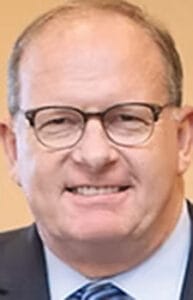
“Because I’m going to tell you, a lot of this stuff gets trotted out every time that we do a crime prevention thing, and if it worked, it would have worked already,” he said. “And so it may take some new ideas to actually get the result that we want as a community.”
Brooks said the group will meet once more before extending task force invitations to community members.
“We’re not concerned about where you live, your education, all that,” he said. “We need people that can come to the table to share with us. We hope some past criminals will come and share with us. You know what their thoughts are and how we can approach this, so we can diminish crime. … We’re not trying to take the chief role or the sheriff role. We’re here to complement.”
McRae is a general assignment and education reporter for The Dispatch.
You can help your community
Quality, in-depth journalism is essential to a healthy community. The Dispatch brings you the most complete reporting and insightful commentary in the Golden Triangle, but we need your help to continue our efforts. In the past week, our reporters have posted 35 articles to cdispatch.com. Please consider subscribing to our website for only $2.30 per week to help support local journalism and our community.