THE CIA has released a trove of documents showing the extensive warnings about Al-Qaeda it shared with presidents before the terrorist attacks on September 11, 2001.
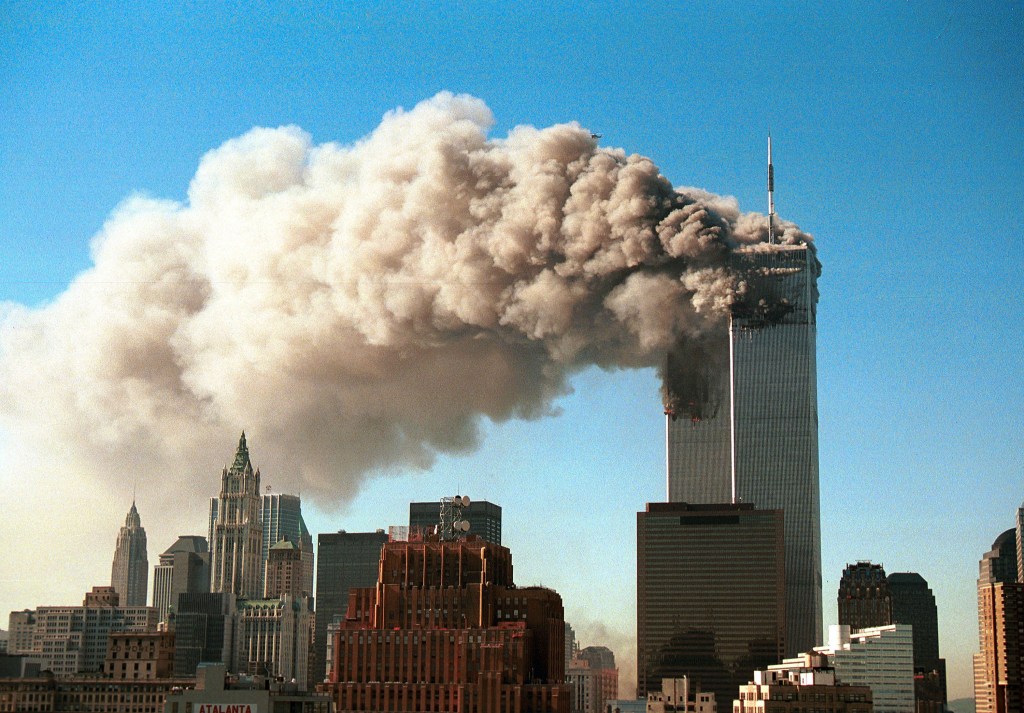
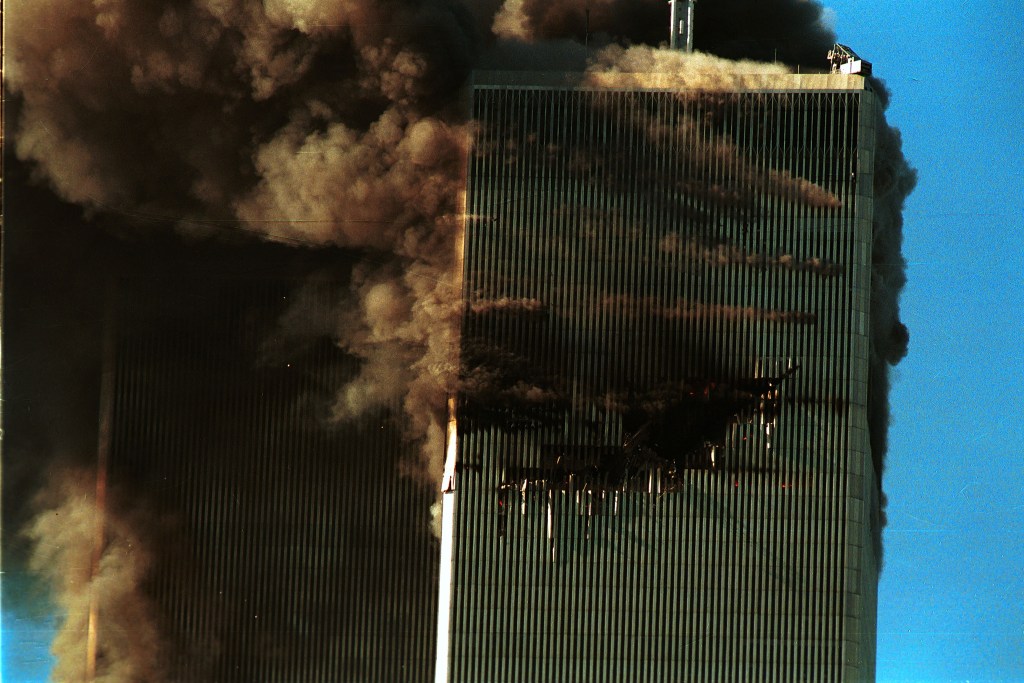
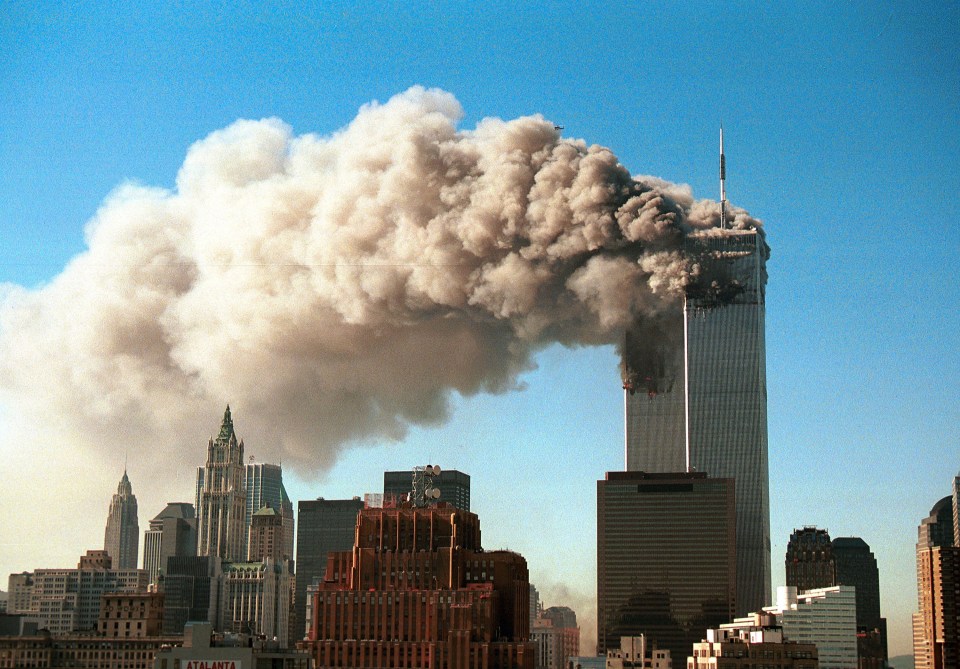
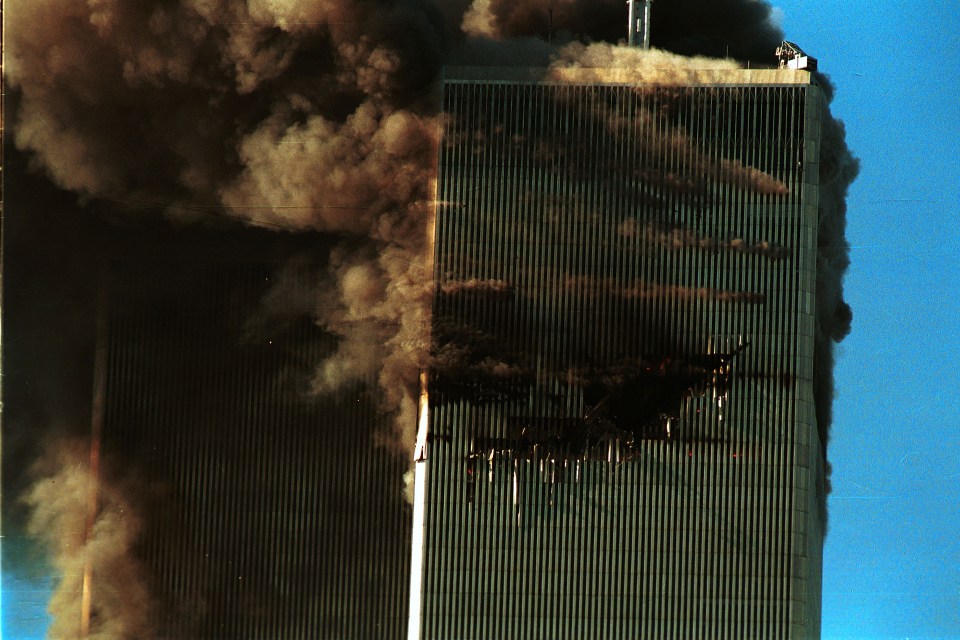
Nearly 3,000 lives were lost on the fateful day after four passenger aircrafts were hijacked, and crashed into the Twin Towers in New York City, the Pentagon and an open field in Pennsylvania.
The CIA released 71 documents on Friday, 69 of which were new, on the 25th anniversary of the attacks.
The records do not change the overall understanding of how the US government failed to prevent 9/11, but give insight into a series of warnings given to presidents between 1998 and 2001.
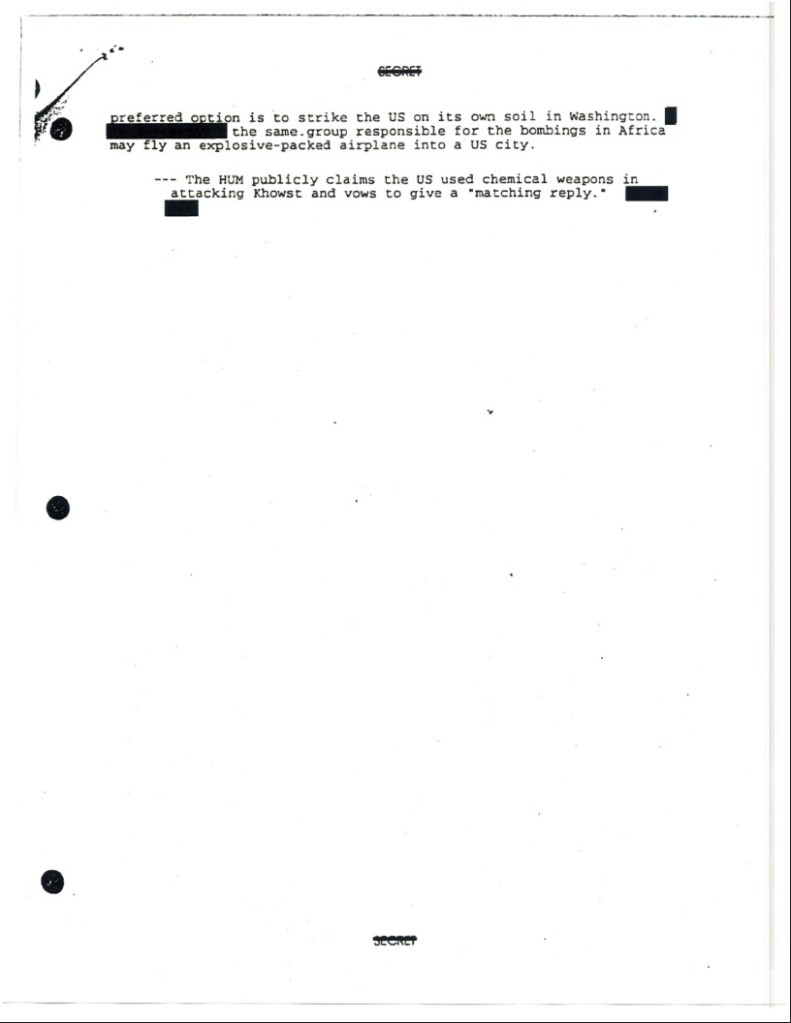
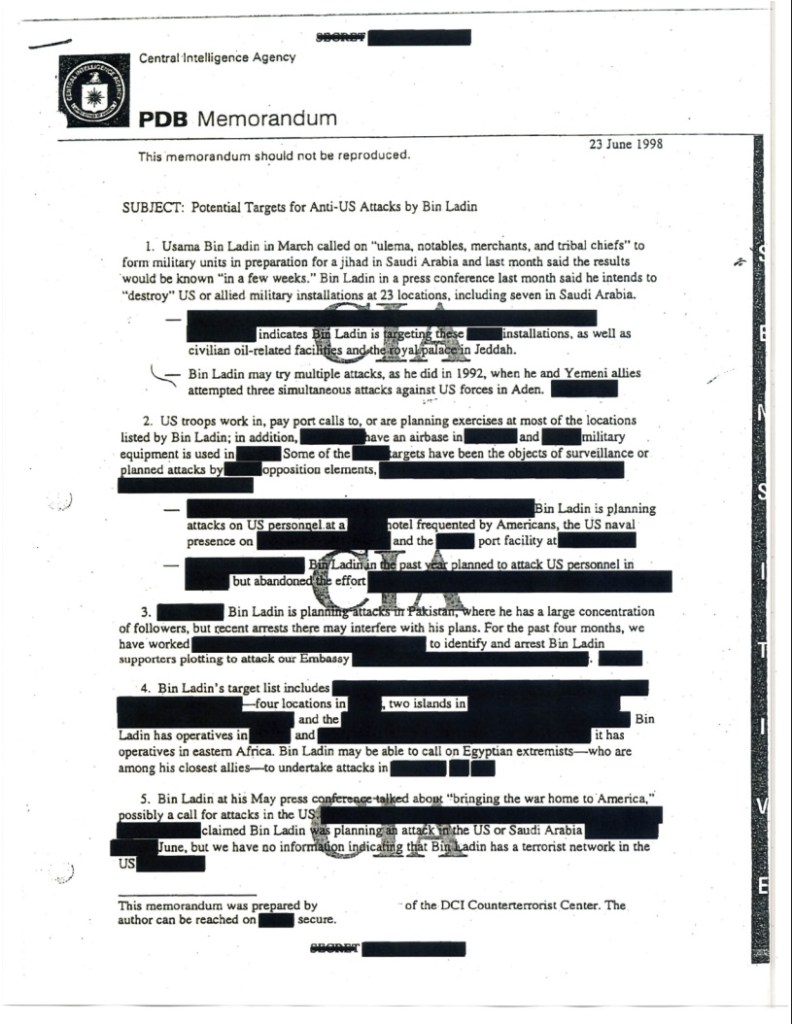
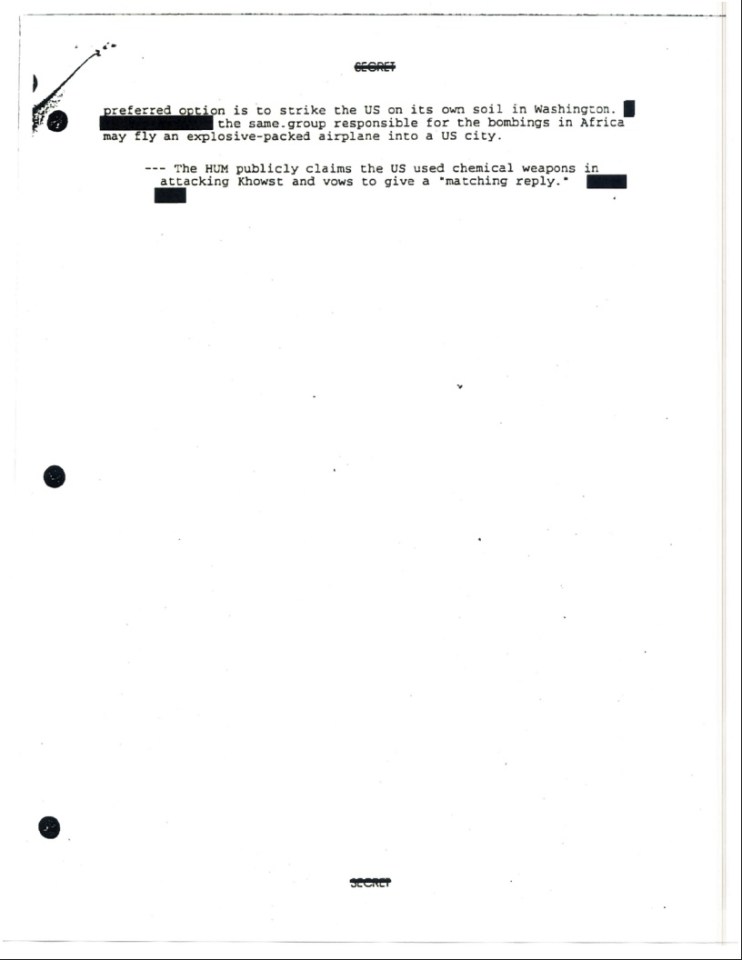
On September 10, 1998, three years and one day before the day that changed the world forever, one memo in the President’s Daily Brief warned, “[sic] Bin Ladin late last month said his preferred option is to strike the US on its own soil in Washington.
“The same group responsible for the bombings in Africa may fly an explosive-packed airplane into a US city.”
It could not be determined whether then-President Bill Clinton read the document or was briefed on the content.
The 9/11 Commission’s 2004 study into the attacks described the 1998 memo as a threat report, according to the Wall Street Journal.
The study did not reveal that it was written as part of an intelligence briefing for the president.
The CIA said this was the largest release of declassified documents related to 9/11.
Most read in The US Sun



“The products trace the story of CIA analysts’ evolving understanding of al-Qa’ida and efforts to highlight and warn of Usama Bin Ladin’s attack plotting despite sparse, vague, and imperfect information,” the agency said.
Counterterrorism had not been a priority in the US prior to 9/11, and information about bin Laden came in spotty and unreliable updates, with many memos citing “highly questionable sources.”
Osama bin Laden was the founder of the terrorist organization al Qaeda, which was behind the 2001 attacks and a series of other attacks in multiple countries that killed thousands of people.
He was shot in the head during a dramatic raid by US Special Forces on May 2, 2011, in Operation Geronimo, after months of CIA surveillance found him holed up in a remote compound in Abbottabad, Pakistan.
In February 1993, Ramzi Yousef, who trained in one of bin Laden’s camps, carried out the first major Middle Eastern terrorist attack on the US by planting a truck bomb under the World Trade Center.
Six people were killed and over a thousand were left injured, but the towers still stood.
Presidents were warned in the years after the attack of more potential threats, including in a document from August 1998 titled “Bin Ladin Terrorist Network Still a Threat.”
“Hours before the US missile strikes, Bin Ladin was looking at options for further attacks against the US as well as the UK,” the memo said, with some sections redacted.
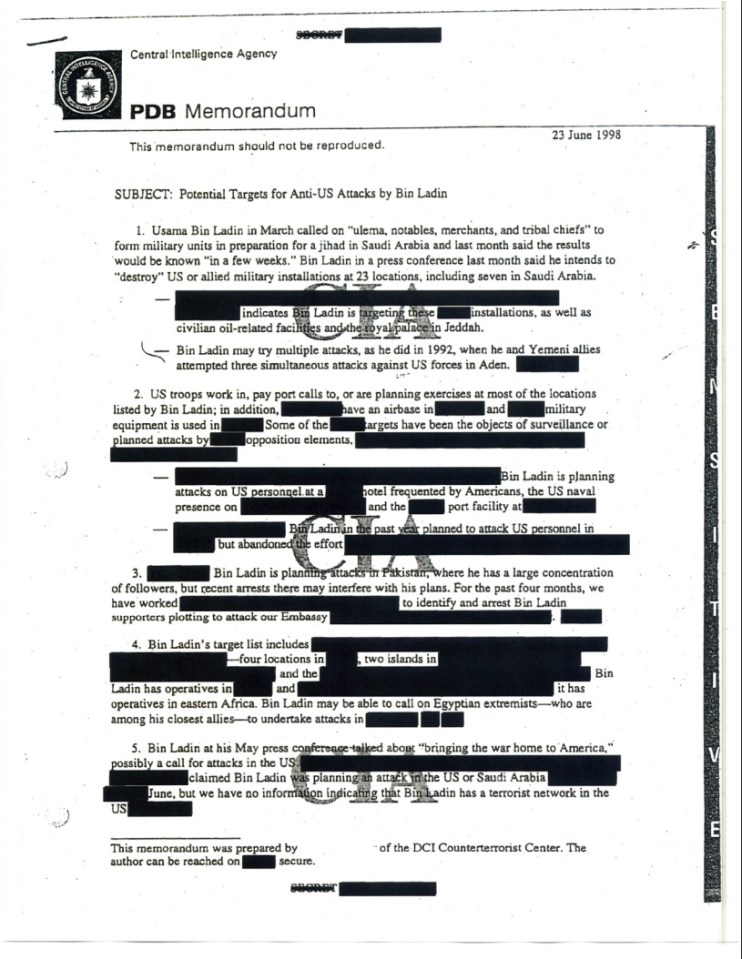
“Bin Ladin did not indicate precise targets or timing.”
The memo also warned that a US Embassy in a redacted country was “a possible target,” and said a man had been authorized by bin Laden to “explore attacks in the US.”
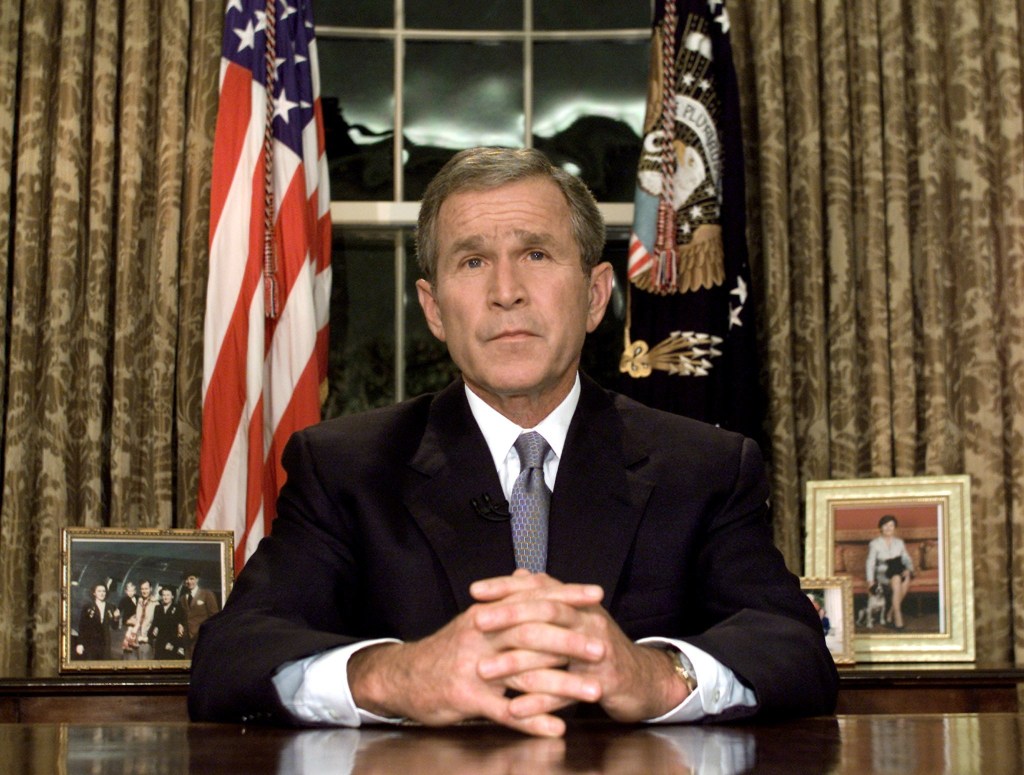
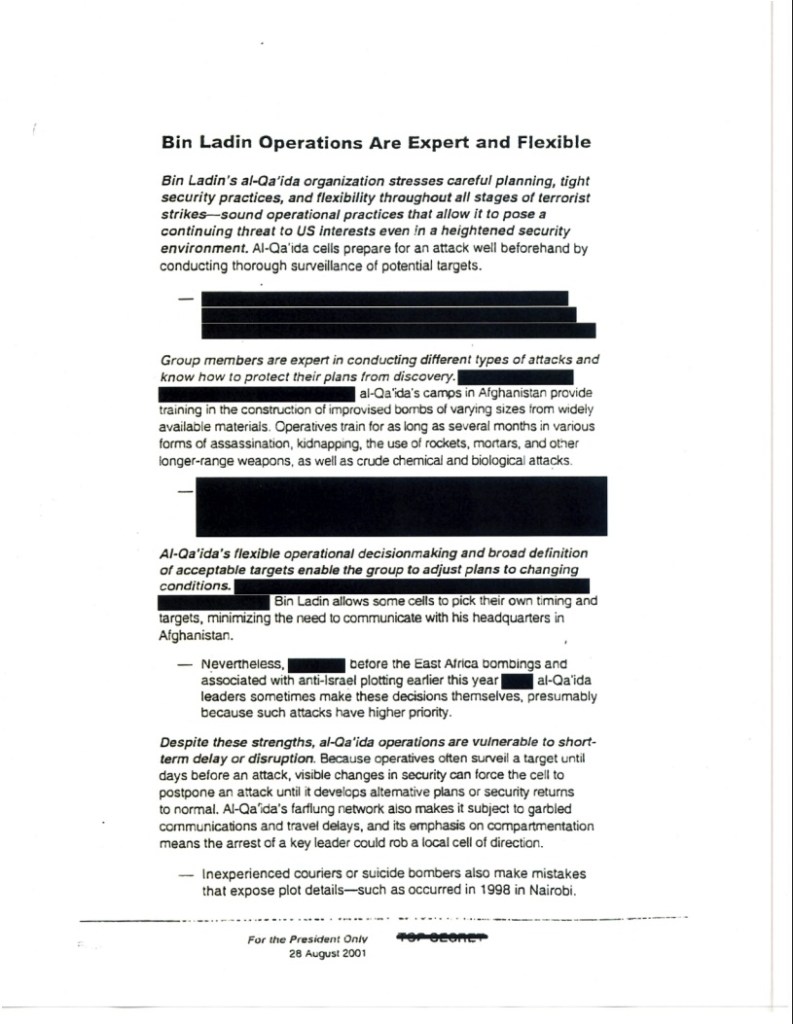
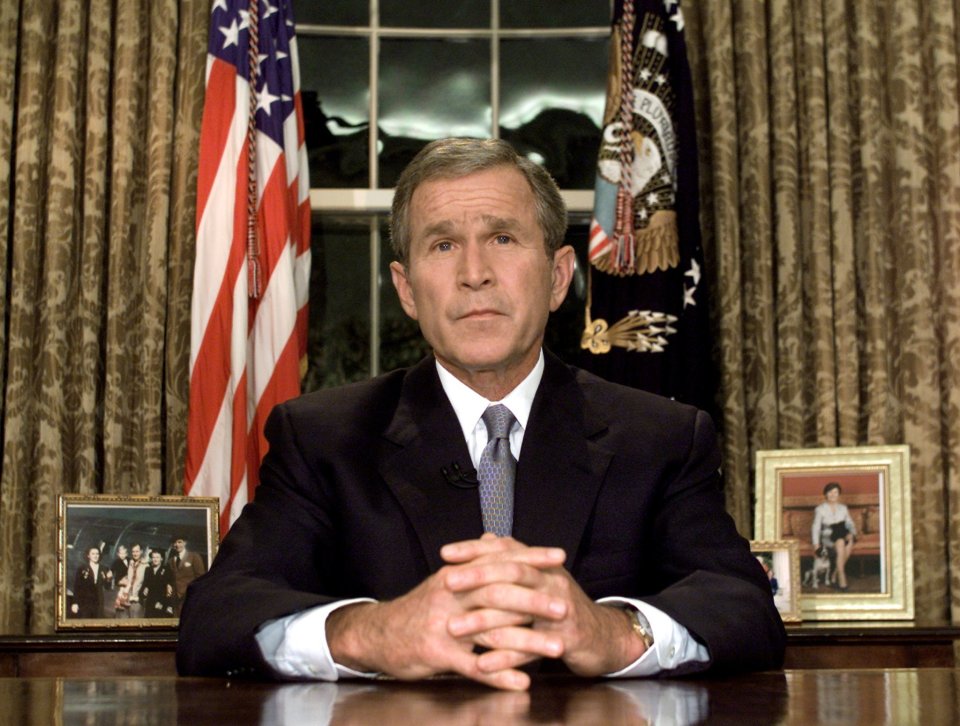
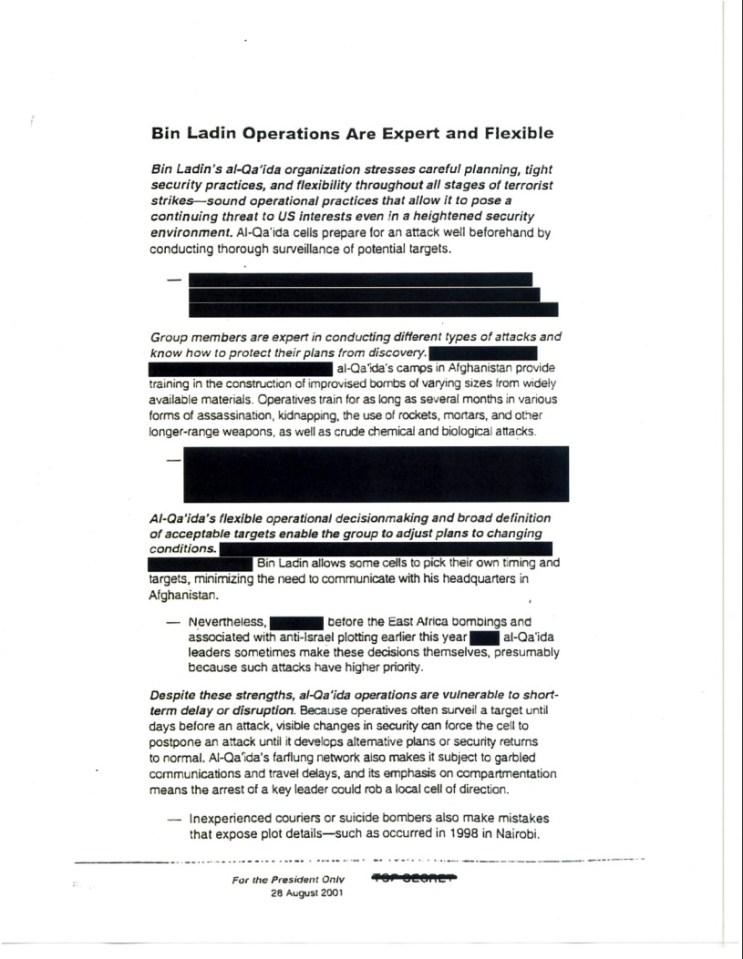
The last memo – released in this batch of documents – before 9/11 was issued on August 28, 2001, in a daily briefing for then-President George W. Bush.
The message said bin Laden’s organization “stresses careful planning, tight security practices and flexibility throughout all stages of terrorist strike.”
The message suggested these movements were “sound operational practices that allow it to pose a continuing threat to US interests even in a heightened security environment.”
The message also claimed bin Laden “allows some cells to pick their own timing and targets, minimizing the need to communicate with his headquarters in Afghanistan.”
Michael Morell, a former acting CIA director during Barack Obama’s administration, told the WSJ that the documents “demonstrate what I have always believed, that the CIA provided long and loud strategic warnings about the threat that bin Laden posed to the United States.”
When it came to September 11, “the CIA was not able to get inside the 9/11 plot and disrupt it, like it did so often after 9/11,” he said.
Morell also briefed Bush on al Qaeda-related intelligence days before the attack.
“But it is also true that policymakers in two administrations did not respond effectively to the strategic warning,” he said.
More to follow… For the latest news on this story, keep checking back at The U.S. Sun, your go-to destination for the best celebrity news, sports news, real-life stories, jaw-dropping pictures, and must-see videos.
Like us on Facebook at TheSunUS and follow us on X at @TheUSSun