

The Pulse is a series covering events, insights, and trends within Big Tech and startups.
Today, we cover:
New trend: building internal vibe-coding apps at mid-sized companies. Ramp and Stripe built platforms for non-engineers to build internal websites and tools with, and both are taking off in those workplaces. I expect more companies to do the same.
Do us engineers really enjoy hard problems? Or do we actually like pattern-matching with backend problems? A provocative post by Cloudflare engineer, Sunil Pai, suggests there are other motives.
New open models launch in the EU and US. Kolibri, Mistral Large 4, and Beam by Reflection AI could challenge China’s dominance in open weight models.
Industry Pulse. Why Figma doesn’t let any agent use its MCP server; Google Cloud adds Swift support on the server side, Anthropic’s two-week sprint to speed up Claude Code, Coinbase dumps React Native shortly after Shopify announces doing so, Claude Opus 5.5 formats the C: drive, and more.
1. New trend: building internal vibe-coding platforms at mid-sized companies
When I visited Ramp’s headquarters last month in New York, I talked with the four-person development team behind ‘Glass,’ which is Ramp’s “internal Lovable.” This name refers to Lovable.dev, the leading AI vibe-coding tool.
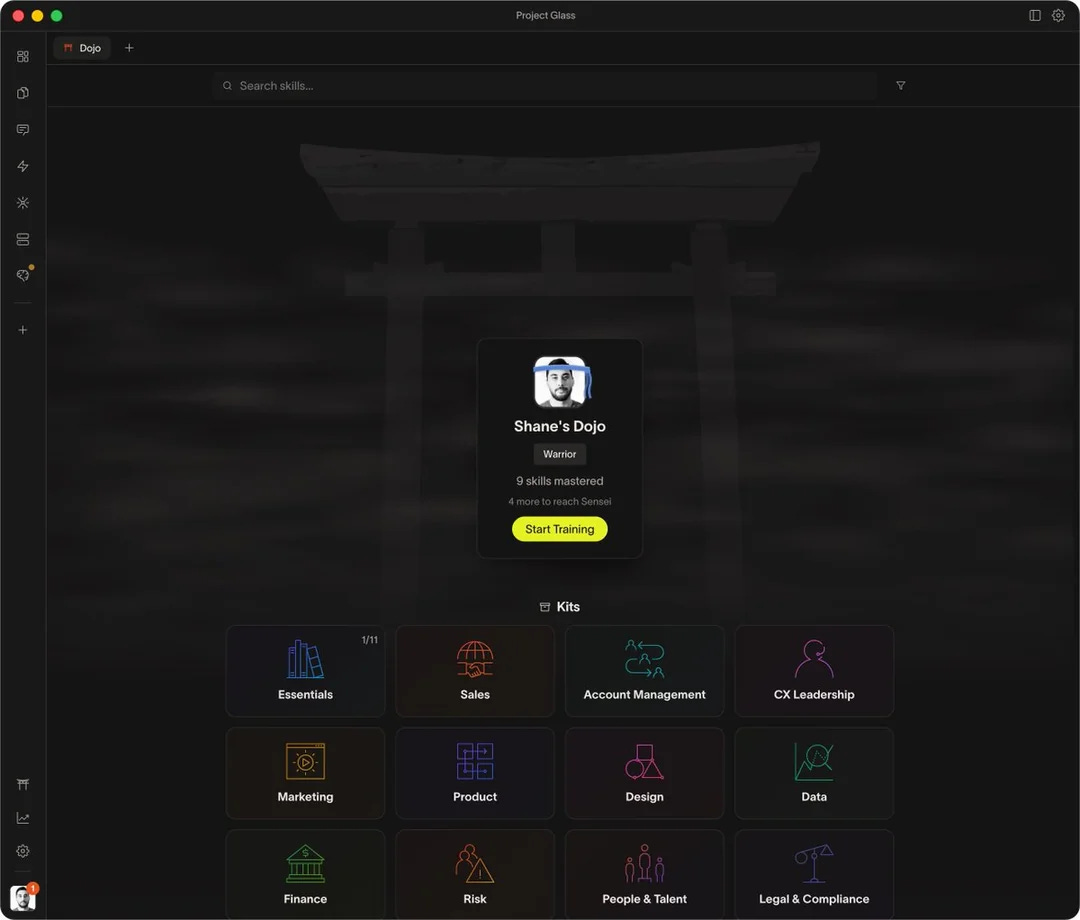
Ramp’s ‘Glass’ is basically a vibe-coding platform for non-engineers to create complex applications which run internally. They can share the applications they make with others to use and modify. This is what the landing page looks like:
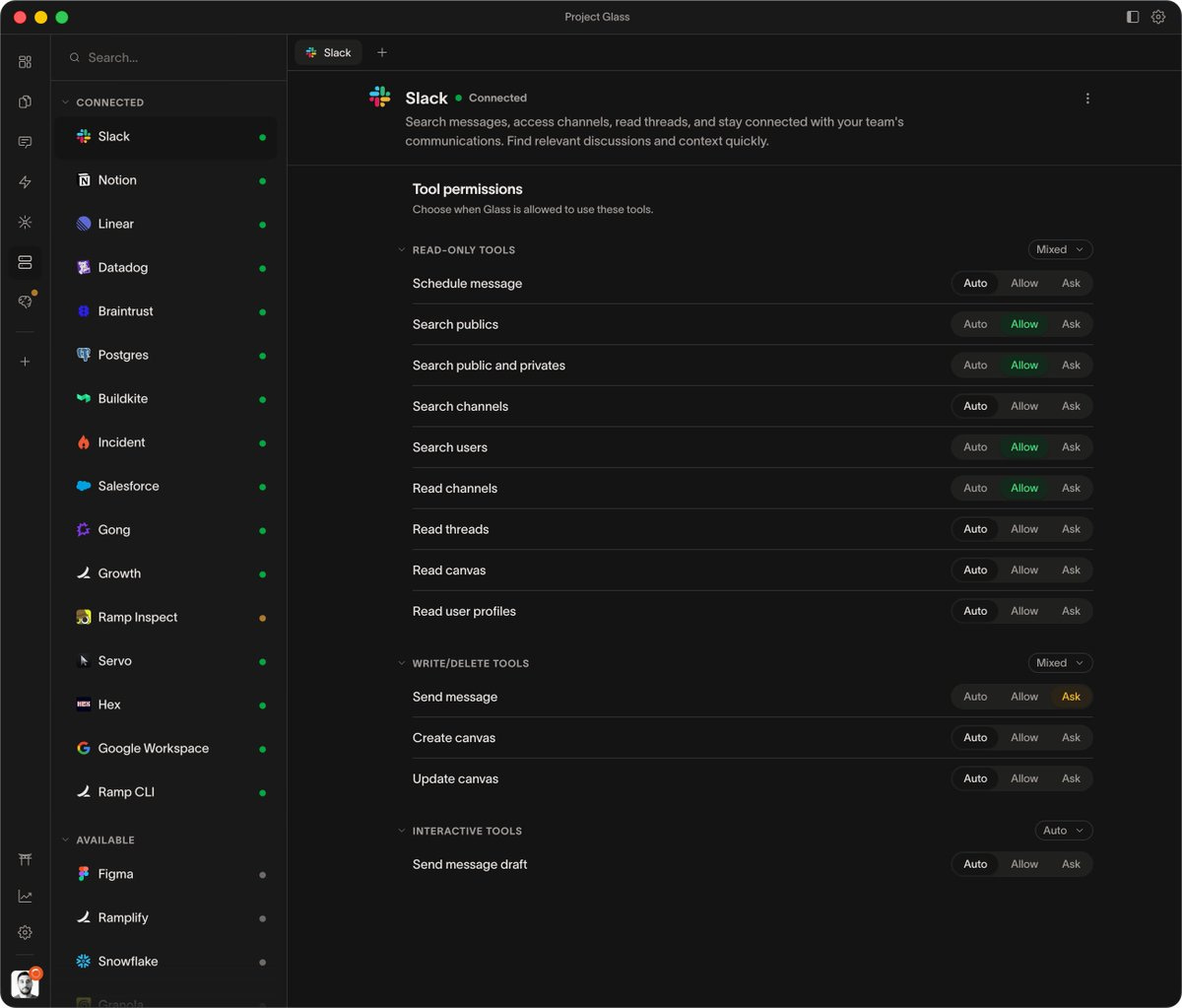
Users can connect various internal systems as “connectors” that can then be used as data sources for their apps:
The team showed me a few popular apps, including a custom CRM built by someone in marketing, which had 50+ fields and filters on-screen. It seemed overwhelming to me, but the creator reportedly finds it extremely powerful to use.
Since then, I’ve learned that many other mid-sized-and-above companies are building similar “internal Lovables” that don’t usually see the light of day in the outside world.