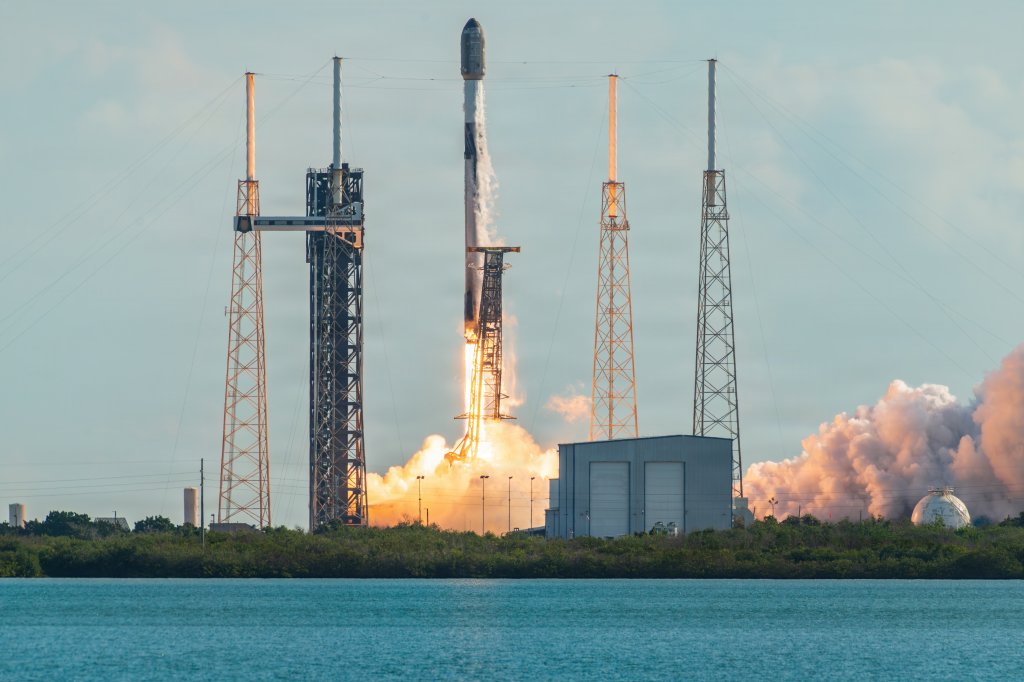
Cape Canaveral Space Force Station is getting lasers that can zap drones intruding into its airspace. When installed, the new directed energy defense system will be part of a much larger effort to protect the spaceport against drone incursions, a spokesperson for Space Launch Delta 45 (SLD 45) told us.
The idea is to ensure the safety of launches and to keep prying eyes away from an installation full of secrets about America’s military and commercial space efforts. Companies like SpaceX, United Launch Alliance, Blue Origin and Relativity Space use the installation for space launches. The base defense modernization effort comes as the Cape Canaveral region is inundated with drone incursions. There were hundreds last year.
“As the world’s premier spaceport continues to support an unprecedented launch tempo for national security and commercial missions, securing critical launch infrastructure from low-altitude aerial threats remains a top operational priority,” the spokesperson explained. “The ongoing security modernization integrates detection, tracking, and defensive capabilities to include directed energy systems. These will provide security forces with real-time situational awareness and the necessary tools to safeguard personnel, launch complexes, and national security payloads.”
The spokesperson did not have a timeline for when the directed energy system will be operational. Florida Today was the first to report that lasers will make up this defensive system.
Col. Brian Chatman, who commands Space Launch Delta 45, told the publication that the facility is “bringing on a directed-energy system that can do a kinetic kill against UASs (Unmanned Aircraft Systems) that are coming into the area that are having nefarious intent.”
“The Air Force Research Laboratory [AFRL]-tested system has been proven to be able to safely bring down a drone,” Florida Today noted. “This directed-energy system uses lasers to shoot down any drone that flies into restricted areas.”
Chatman didn’t name the specific system to Florida Today and the SLD 45 spokesperson declined to say.
The following video shows one such AFRL-tested system that has been used in combat before.

For the spaceport, being able to use lasers is even more important than it is for other locations needing protection from drones. That’s because the traditional method of jamming radio frequencies to interfere with drone connections to controllers could damage spacecraft.
“If you start blasting a bunch of RF energy you run into potential challenges,” Chatman explained. “You don’t want that.”
There is good reason for Chatman to be concerned about drones. The spaceport has been subjected to many unauthorized incursions, the spokesperson told us. However, there were no statistics immediately available on how many or whether they occurred during launches. There were 500 unauthorized drone flights over the adjacent Port Canaveral in 2025, Port Canaveral CEO Capt. John Murray said.
In addition, on Sept. 18, a Chinese tourist pleaded guilty to a federal misdemeanor charge after flying a drone in restricted airspace above NASA’s Kennedy Space Center (KSC) in late July. KSC is located across the Banana River from the space station.
It is unclear if the new laser system will also protect the skies over KSC. The spokesperson did not immediately know and is checking into it.
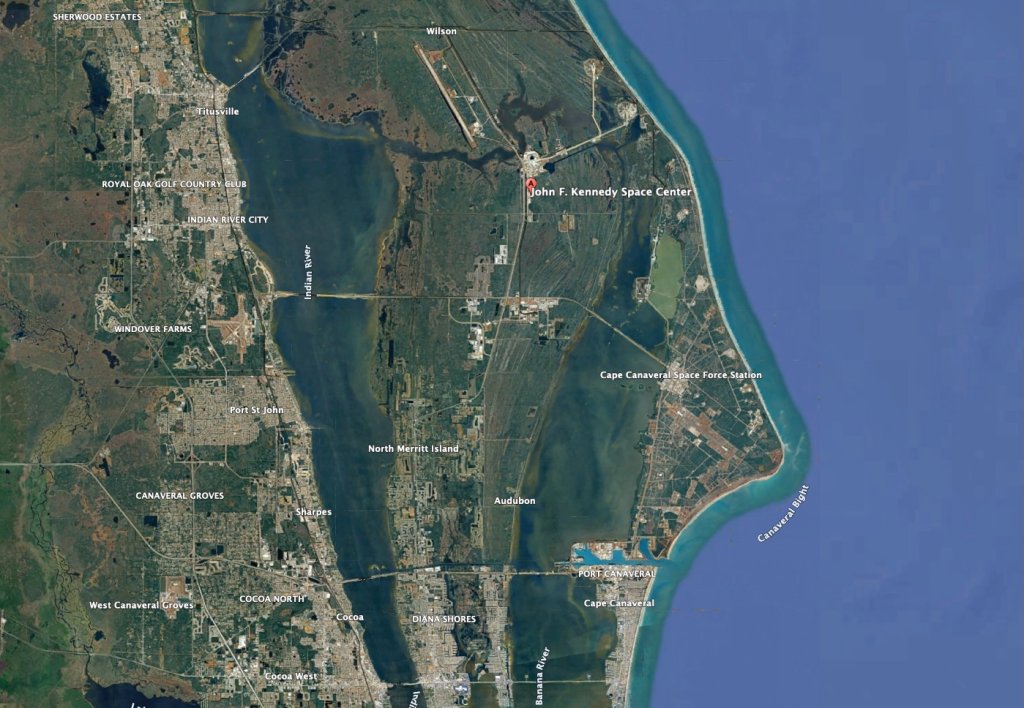
That tourist, Xiaodong He, flew a drone that videotaped the installation, according to federal documents. The drone got within 1.56 miles of pad 39B, from where the next crewed lunar flight is expected to launch in 2028.
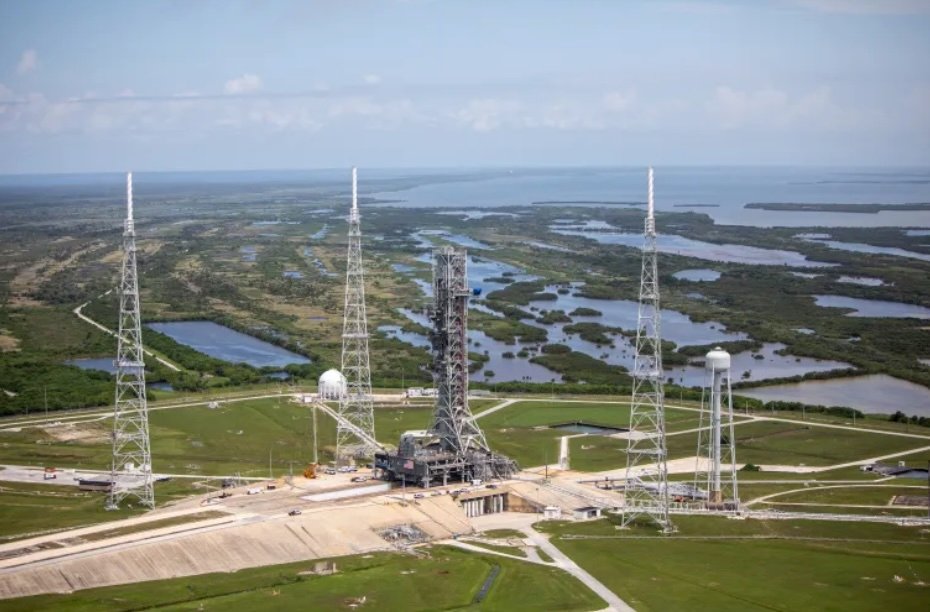
Encompassing about 25 square miles, Cape Canaveral Space Force Station is a large, unpopulated, open area with a long Atlantic Ocean shoreline. The station’s physical layout allows many vectors for drone incursions, and what’s housed there makes it a logical target for a nefarious actor.
The systems being prepared for launch and launched at the sprawling facility are extremely valuable and can take many years to build, costing billions. When they are out on the pad or being transported around, the rockets are massive tubes packed with high explosives that would cause a devastating secondary explosion if struck.
Even disrupting launches there due to a successful or even attempted attack could have major national security impacts.